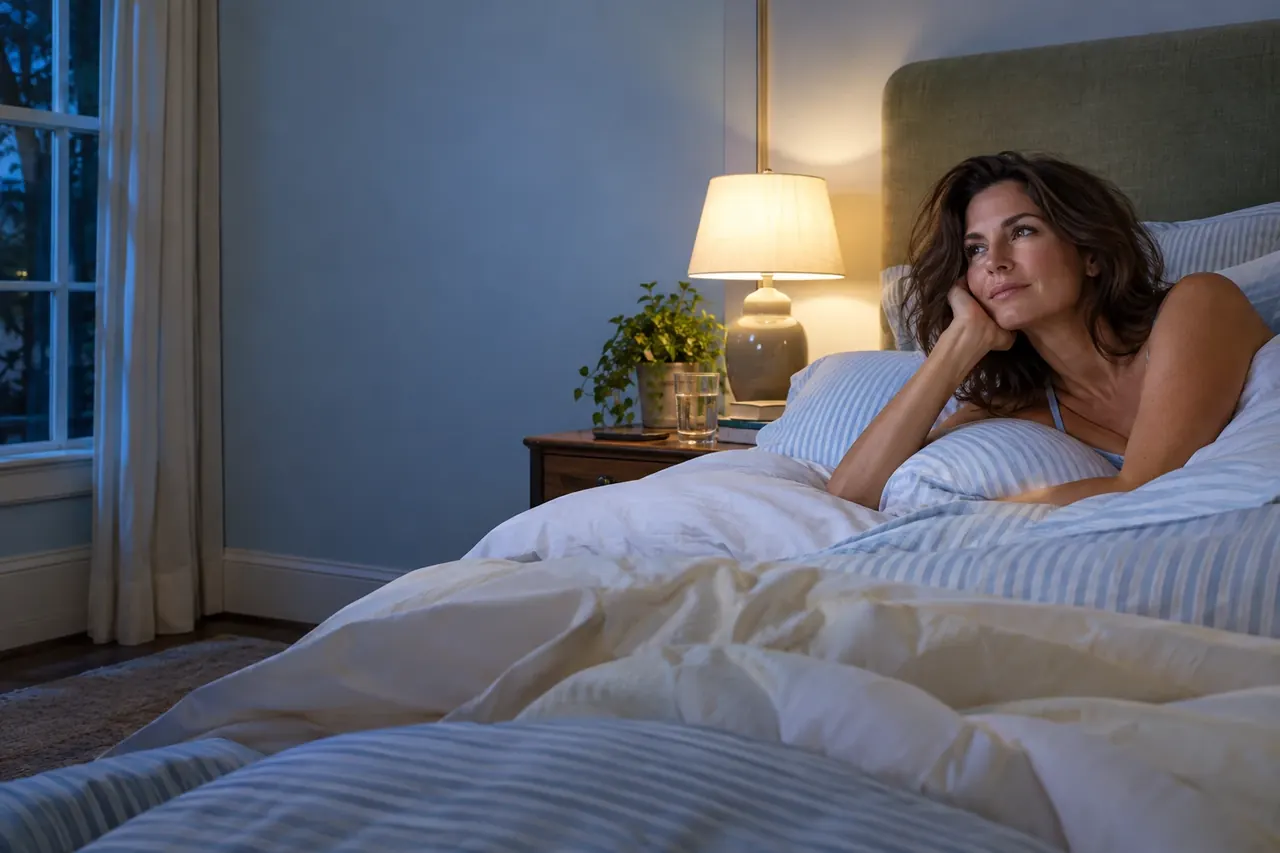
a.m.
Awake again? Let’s talk about it.
Your body at 40 to 60, explained.


Sleep, energy, digestion, hair and skin: what actually changes in these years, what the evidence says helps, and what to ask your clinician. Clear answers. No hype. Sources on everything.
Get the free 7-Day Midlife Sleep ResetThree things worth knowing
 21% of US women reported trouble staying asleep most days or every day in the CDC's 2024 survey, against about 15% of men. [1]
 Mid-40s is when perimenopause usually starts. It lasts about four years for most women, and can run from two to eight. Read the signs of perimenopause. [2]
 90%+ of American women don't meet the fiber recommendation, according to the previous Dietary Guidelines. [3]
The changes nobody gave you a handbook for

Sleep that won’t settle. Periods that stop following the calendar. Mood changes that catch you off guard. These can happen during perimenopause. [4]
You don’t have to arrive at an appointment with all the answers. Tell your clinician what’s changed, how much it bothers you, and what you want help with. Your health and family history matter when you discuss the options. [4]
Start with your questions. We’ll help you find the reading. Begin with the signs of perimenopause.
Your health, in focus

Sleep.
The 3 a.m. club, night sweats, and what the guidelines actually say.

Energy and strength.
Muscle, bone, protein, and the number that moves when the scale doesn't.
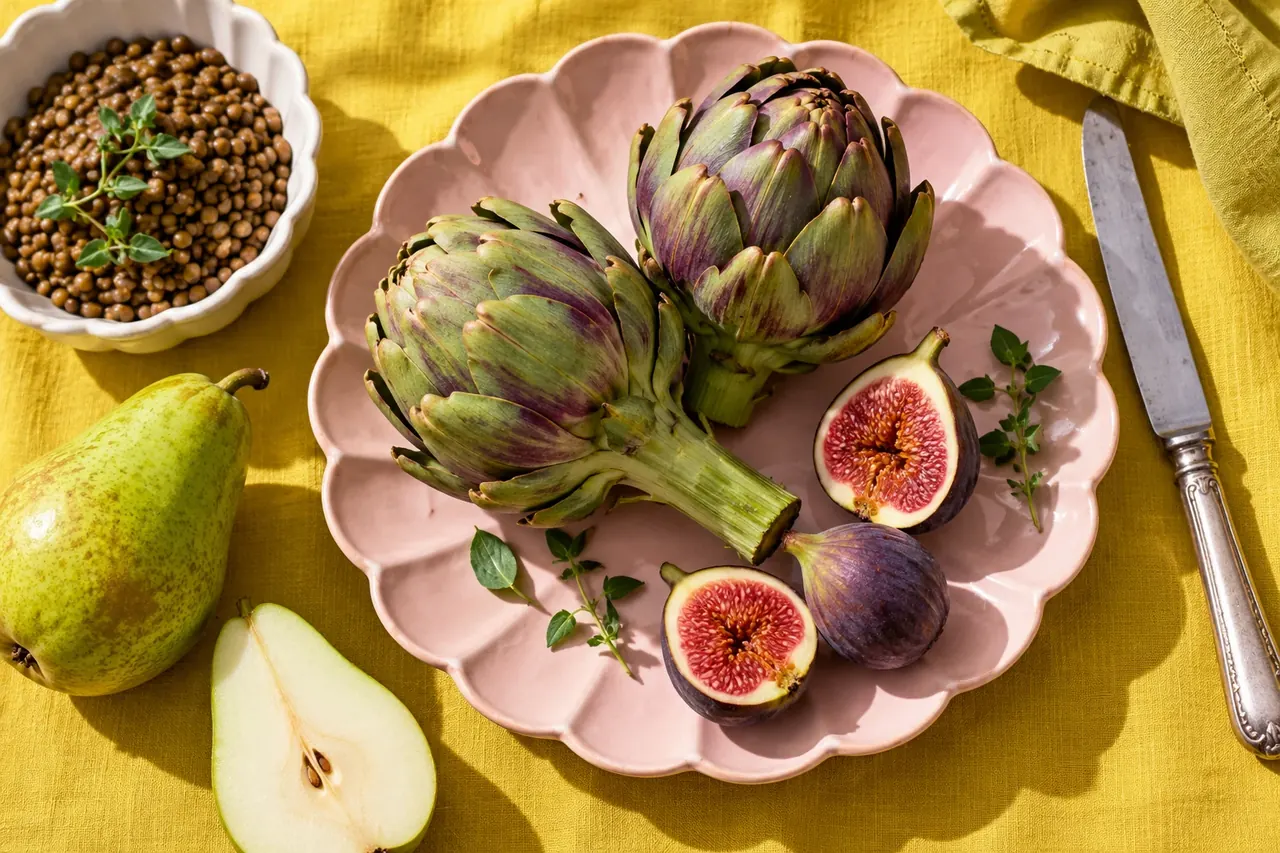
Digestion.
Bloating, fiber, reflux, and what the evidence doesn't support.

Hair and skin.
Shedding versus thinning, biotin, and the one anti-aging habit with a trial behind it.
One email a week. A little more clarity.

Reply to any of them; a real person reads every reply, and the replies decide what we cover next.
Unsubscribe anytime.
Sources
- CDC, National Center for Health Statistics, Data Brief 559 (NHIS 2024). Retrieved 2026-10-15.
- Office on Women's Health, Menopause basics. Retrieved 2026-10-15.
- Dietary Guidelines for Americans 2020-2025, p. 124 and Appendix 1. Retrieved 2026-10-15. The 2025-2030 edition does not publish a fiber table.
- Office on Women’s Health, Menopause symptoms and relief. Retrieved 2026-10-16.